My nam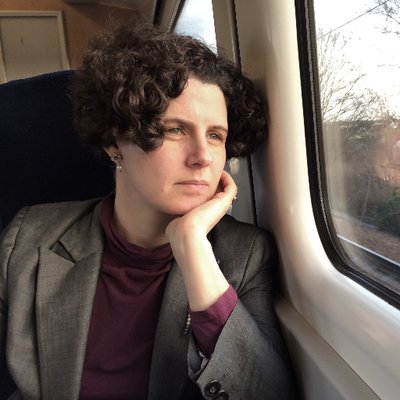 e is Jessica Meyer and I am Professor of Social and Cultural History at the University of Leeds. My research interests lie at the intersections of the histories of gender, particularly masculinity, disability and warfare, particularly the First World War.
I have two current projects. The first is a history of returning servicemen from the First World War and the impact they had on British society and culture across the twentieth century. This work is based in part on research I did for the European Resesarch Council-funded ‘Men, Women and Care’ project (2015-2020), which examined the care provided to disabled ex-servicemen by the British state, charities and their families after the First World War, although the book is a much broader examination of the significance of returning soldiers.
My second project is a study of the relationship between masculine identity and war in the modern period in a global context.
My most recent monograph, An Equal Burden: The Men of the Royal Army Medical Corps in the First World War, is available from Oxford University Press open access and can be downloaded here. This work was generously funded by a Wellcome Trust Research Fellowship (2011-2015).
I am also particularly interested in the history of popular culture and the First World War from 1914 to the present. Along with Dr Chris Kempshall and Dr Angus Wallace, I co-host ‘Oh! What a Lovely Podcast’, a monthly discussion of the spaces where the First World War meets popular culture.
 armsandthemedicalman
Jessica, My thesis on British and Dominion AMC stretcher-bearers is progressing well, I am at the writing stage and can’t wait to share my info. with the world. My thesis is based on ‘operational plans/failures’ and the effect on the S/B’s. I wish I had access to the new archival material you have your lucky fingertips on! Cheers Liana
Hi Lianna, how lovely to hear from you! I’m so glad the thesis is going well. I can’t wait to read it. I seem to be concentrating on orderlies at the moment, but hope to get back to the recruitment and training of stretcher bearers soon. We should talk about seeing if we can get you over here again soon.
Hello Jessica: I just came across your new blog for the first time and wanted to congratulate you for what looks as if it will be a valuable resource. There’s been a real gap since Esther MacCallum-Stewart abandoned Break of Day in the Trenches a few years ago, and I hope your new project will help to fill that space for discussion. Best, Alan
Thanks, Alan. If I come close to helping to fill the space left by Esther, I will feel I am doing a good job!
Hi Jessica -just found your blog via WW1 Historical association on Facebook. I recently found out [through online research] that a great uncle was an orderly and his most of his papers have survived.
Hi Ann-Marie, that is fabulous news. There are relatively few collections relating to orderlies in libraries. I’d love to hear more about your great-uncle.
Hello Jessica Meyer, I’m researching a documentary about WWI in the Balkans and I came across a series of photos from the No.7 Platoon, B. Company Royal Army Medical Corps, Salonica on the Wellcome Images site (e.g. http://wellcomeimages.org/indexplus/image/V0011972.html) . I was wondering if you discovered any written records from the corps and their time in the Balkans? I would be really interested to read any first hand accounts and most grateful for any help tracking them down. Can you point me in the right direction? Unfortunately, I’m not in the UK so can’t visit the National Records in person.
Leonidas
Hi Leonidas, do you have a unit for them? It sounds like a section of a Field Ambulance which would be numbered and, in all probability, attached to a battalion. If you know which FA it was, I may be able to help and a lot of information is being digitized, so there may be more records available on line.
Dear Jéssica
I´m a researcher also, but in Lisbon, Portugal, and i´m starting my Ph.D Thesis/Research in the área also, for i´m going to work the medical staff with portuguese expedicionary forces in World War I. I´m following your work. So, good luck and good work.
Hi Margarida, your research sounds fascinating. I look forward to hearing more about it. If you haven’t already, you might want to consider signing up to the Medicine and the First World War mailing list at http://lists.leeds.ac.uk/mailman/listinfo/medicineandww1. The more international perspectives we have in our discussions, the better! And best of luck with your research as well.
Just discovered your fascinating blog! I have linked to it on my own site ( http://fantastic-writers-and-the-great-war.com ) and look forward to exploring it in due course. My main website is http://www.edwardfjames.com.
Thanks! Your project looks very interesting. I know very little about the connections between the war and science fiction, so will look forward to learning more.
Hello Dr. Meyer, I just finished the FutureLearn course on heroism. Excellent work and presentation. I was wondering if you have read Dr. Harvey Cushing’s book, From a Surgeons Journal? I found the book insightful concerning the medical challenges that were faced by the RAMC and with his trying to get medical people in the US up to speed with what he has learned serving with British forces. If you have read the book, I would be very interested in your commentary about it. Thank you
Thanks, Michael. I know of Dr Cushing’s book, but I haven’t read it in any detail for this project as I am focusing of the perspectives of those without medical training. I will have to go back to it though, I think, as the connection forged by medical care providers between the Allies and the US before the US entered the war is something that I am looking at at the moment, although in terms of ambulance drivers from the AFSU rather than the voluntary doctors. Many thanks for bringing this to my attention.
Dear Jessica
I have come here after completing the Changing Faces of Heroism course on Futurelearn. I am a serving officer in an Army Reserve Medical unit and have spent the last few years researching the men of our antecedent WW1 Field Ambulance and CCS units. Our unit proudly commemorates the award of the Croix de Guerre to 24 Field Ambulance in 1918, a unique award in the AMS. If I can help you in any way, I would be pleased to do so. We have a limited archive of WW1 papers at the unit, I have a small blog (not updated for a while I am afraid) and public family trees of the men who died on Ancestry. I am currently compiling a tree for every man who landed in France with the three of our units on 5th November 1914. Having been researching these men for many years, I am intrigued that so many historians are now focusing on what has been a poorly known branch of the Army. (I am sure you have read “Wounded” by Dr Emily Mayhew) I hope that we can all promote and strengthen their contribution to the war for the future.
Hi Elaine, thanks so much for getting in touch! I would absolutely love to know more about the 24th Field Ambulance and the award of the Croix de Guerre. I have been doing some more on the American Field Service Unit and their relationship with the French military, including the numbers of Croix de Guerre awarded to AFSU volunteers. One of the questions I am particularly interested in is how medical units, both military and voluntary, integrated with the structure of the armed forces over all, and the awarding of medals (or failure to do so) is a useful way of examining this. Perhaps you could email on j.k.meyer@leeds.ac.uk?
I agree that there has been an upsurge in interest in the medical services recently. (I do know Emily’s book and have been meaning to review it on here for some time; thank you for reminding me that I still need to do so.) I’m not sure what the reason is but, as you say, it provides a great opportunity to tell the stories of this fascinating group of men and women.
Hi Jessica:
Just checking you know about the book on call in africa 1910-1932 that covers medical matters in ww1 East Africa in new detail. See http://www.oncallinafrica.com for more!
Yours
Richard Jewell
Have you come across the Pike Report for WW1 in East Africa? Potentially fertile source material I think… Richard
Jessica – you might find Diversity House interesting as well as Great War in Africa Association… happy to help on any front, so to speak! Richard
Having lost an uncle during WW1 who served with the 24th/ 1st Wessex RAMC from Exeter, I am so clad to see the work you’ve done and doing around the subject. I’m especially interested in the continuation of the subject of cultural impacts of war on men and society in general as it is far reaching across all demographics world wide.
Being the son of two parents who served during the Second World War in England and the Korean War I feel it is very important to teach current and future generations the impacts of war on society as you so eloquently have done and continue do.
Thank You Doctor Meyer.
Thank you for such kind comments. I am hoping to do a lot more on the legacies of the war across society in the coming year.